Table of Contents
Executive Summary for Eco-Conscious Homebuyers (2025)
Green Premium Reality Check:
- Eco-friendly townships cost 8-15% more upfront than conventional properties
- Solar panels (3 kW system) save ₹6.16 lakh over 25 years with PM Surya Ghar subsidy (₹78,000)
- Rainwater harvesting reduces water bills by 30-40% annually in Hyderabad
- 75+ green-certified (IGBC/LEED) residential projects expected in Hyderabad by end of 2025
- Urban heat island effect: 5.74-6.82°C higher temperatures in concrete-heavy zones
- Green townships appreciate 15-20% faster due to rising environmental awareness
- Energy savings from passive design, solar power: ₹3,000-8,000 monthly for typical 3BHK
Understanding Hyderabad’s Environmental Crisis: Why Green Matters Now
The Heat Island Reality
Hyderabad’s rapid urbanization has created measurable environmental stress. Recent studies document urban heat island (UHI) intensity ranging between 5.74°C to 6.82°C in densely built-up zones like Gachibowli, Madhapur, and Kukatpally. This means night-time temperatures in concrete-dominated areas run nearly 6 degrees higher than green-belt peripheries.
Contributing Factors:
- Massive reduction in tree cover as land converts to buildings and roads
- Increased impervious surfaces (concrete, asphalt) absorbing and radiating heat
- Minimal green buffers or landscaping in conventional developments
- High-density construction limiting air circulation
Impact on Daily Life: Higher ambient temperatures mean increased air conditioning usage, elevated electricity bills, and reduced outdoor comfort. Areas with minimal greenery experience poorer air quality, particularly during summer months when PM10 levels in localities like Kompally and Somajiguda exceed 150 µg/m³ (Central Pollution Control Board data).
Water Scarcity & Lake Degradation
Hyderabad has witnessed systematic shrinkage of its historic lake network. Urbanization consumes water-retention areas, disrupting natural groundwater recharge. Monsoon runoff that once replenished aquifers now flows as waste through drainage systems, contributing to both water scarcity and urban flooding.
The Sustainability Imperative: Against this backdrop, eco-friendly townships offering rainwater harvesting, solar power, green landscaping, and sustainable design aren’t merely lifestyle upgrades, they’re practical responses to Hyderabad’s environmental challenges.
Looking for a Home That Reflects Your Lifestyle?
Discover thoughtfully designed homes by Kura Homes — where timeless architecture, modern comfort, and sustainable living come together.
What Defines an Eco-Friendly Township in Hyderabad?
Core Sustainability Features
An authentic green township integrates multiple environmental systems rather than offering isolated “green” amenities as marketing gimmicks.
1. Green Building Certification (IGBC/LEED) Projects certified by Indian Green Building Council (IGBC) or Leadership in Energy and Environmental Design (LEED) meet rigorous standards covering energy efficiency, water conservation, materials selection, indoor environmental quality, and innovation.
Certification Levels:
- IGBC Gold/Platinum
- LEED Silver/Gold/Platinum
- GRIHA (Green Rating for Integrated Habitat Assessment)
As of 2025, Hyderabad hosts 75+ pre-certified green residential projects, with dozens more registered and pursuing certification.
2. Rainwater Harvesting Infrastructure Rooftop rainwater harvesting systems collect monsoon precipitation, channeling it to storage tanks or groundwater recharge pits. Properly designed systems can meet 30-40% of a household’s non-potable water needs (gardening, car washing, toilet flushing).
System Components:
- Catchment area (rooftops with proper slope and gutters)
- First-flush diverters removing initial dirty water
- Filtration units ensuring water quality
- Storage tanks (overhead or underground)
- Recharge pits for groundwater replenishment
Hyderabad Context: With average annual rainfall of 800mm concentrated in monsoon months (June-September), rainwater harvesting captures this seasonal abundance for year-round use, reducing dependency on tanker water and municipal supply.
3. Solar Power Integration Solar photovoltaic (PV) systems convert sunlight to electricity, reducing grid dependence and electricity costs significantly.
Typical Residential Installation:
- 2-3 kW on-grid system for 2-3 BHK apartments
- 5-10 kW systems for independent villas
- Common area lighting powered by community solar installations
- EV charging stations using solar energy
Government Support: PM Surya Ghar Muft Bijli Yojana offers subsidies:
- 2 kW system: ₹60,000 subsidy (post-subsidy cost ~₹1.05 lakh)
- 3 kW system: ₹78,000 subsidy (post-subsidy cost ~₹1.22 lakh)
Financial Returns: A 3 kW solar system generating 4,200-4,350 units annually saves ₹6.16 lakh over 25 years, nearly 5.8x return on investment at Hyderabad’s electricity tariffs (₹6-8 per unit).
4. Passive Design & Natural Ventilation Building orientation, strategic window placement, and architectural features reduce artificial heating/cooling requirements.
Key Passive Design Elements:
- East-West elongation minimizing south-facing heat exposure
- Cross-ventilation corridors leveraging prevailing wind patterns
- High ceilings facilitating hot air rise and natural circulation
- Shaded balconies and double-glazed windows reducing heat gain
- Green roofs and vertical gardens providing thermal insulation
Impact: Well-designed passive architecture reduces air conditioning dependency by 30-50%, translating to monthly electricity savings of ₹2,000-4,000 for typical 3BHK apartments.
5. Waste Management & Composting Integrated waste handling includes segregation (wet/dry), composting of organic waste, and recycling programs reducing landfill burden.
Community Systems:
- Onsite composting units converting kitchen waste to fertilizer for landscaping
- Material recovery facilities sorting recyclables (paper, plastic, metal, glass)
- Biogas plants processing food waste into cooking fuel for common kitchens
6. Grey Water Recycling Grey water (from sinks, washing machines, showers) undergoes treatment for reuse in landscaping, toilet flushing, and cleaning, reducing freshwater consumption by 20-30%.
7. Sustainable Landscaping Native, drought-resistant plant species requiring minimal irrigation; drip irrigation systems maximizing water efficiency; organic gardening spaces without chemical fertilizers.
Premium Question: How Much More Do Green Townships Cost?
Upfront Cost Analysis
Price Premium Range: 8-15%
Green townships typically command 8-15% higher per-square-foot rates compared to conventional projects in similar locations.
Example Comparison (Hyderabad West Corridor):
- Conventional apartment: ₹5,500 per sq ft
- Green-certified township: ₹6,050-6,325 per sq ft
- Premium for 1,500 sq ft apartment: ₹82,500-1,23,750
Why the Premium?
- Certification costs (IGBC/LEED assessment fees, consultancy)
- Higher-quality sustainable materials (low-VOC paints, recycled steel, bamboo flooring)
- Advanced systems installation (solar panels, rainwater harvesting, grey water treatment)
- Enhanced landscaping with mature trees and extensive green cover
- Energy-efficient fixtures (LED lighting, sensor-based controls, high-efficiency HVAC)
Breaking Down the Green Township Value Proposition
| Sustainability Feature | Implementation Cost | Annual Savings | Payback Period | 25-Year Value |
| 3 kW Solar System (with subsidy) | ₹1,22,000 | ₹24,640 | 5 years | ₹6,16,000 savings |
| Rainwater Harvesting | ₹50,000-1,00,000 | ₹18,000-24,000 | 3-5 years | ₹4,50,000-6,00,000 savings |
| Grey Water Recycling | ₹80,000-1,20,000 | ₹12,000-18,000 | 5-7 years | ₹3,00,000-4,50,000 savings |
| Passive Design/Insulation | Included in construction | ₹24,000-48,000 (AC reduction) | Immediate | ₹6,00,000-12,00,000 savings |
| Energy-Efficient Fixtures | ₹30,000-50,000 | ₹6,000-12,000 | 3-5 years | ₹1,50,000-3,00,000 savings |
| Total Green Investment | ₹2,82,000-4,92,000 | ₹84,640-1,26,640 | 3-6 years | ₹21,16,000-31,66,000 |
Critical Insight: Even with 8-15% upfront premium (₹82,500-1,23,750 for 1,500 sq ft), green features deliver ₹21-32 lakh savings over property ownership, yielding 4-6x return on sustainability investment.
Beyond Savings: The Intangible Green Premium Benefits
1. Health & Wellness Impact
Improved Air Quality: Green townships with extensive landscaping, low-VOC materials, and natural ventilation significantly improve indoor air quality. Residents experience:
- Reduced respiratory issues (asthma, allergies)
- Better sleep quality due to cooler, quieter environments
- Lower stress levels from access to green spaces
- Enhanced mental health from community gardens and natural surroundings
Quantifying Health Value: While difficult to monetize directly, studies show homes near green spaces reduce healthcare costs by ₹15,000-30,000 annually per family through preventive health benefits.
2. Property Appreciation Advantage
Market Preference Shift: Rising environmental awareness and regulatory pressure drive demand for green-certified properties.
Appreciation Data:
- Green townships: 15-20% capital appreciation over 5 years
- Conventional properties: 12-15% appreciation in same locations
- Premium differential: 3-5% additional growth annually
Example: ₹90 lakh green-certified apartment appreciates to ₹1.26 crore (40% growth) vs. conventional ₹1.17 crore (30% growth), ₹9 lakh appreciation advantage over 5 years.
3. Rental Yield Enhancement
Tenant Preferences: IT professionals, expats, and environmentally conscious families actively seek green-certified properties, accepting 10-15% rental premiums for:
- Lower electricity bills (solar power)
- Better living environment (green spaces, air quality)
- Sustainable lifestyle alignment
Rental Comparison:
- Conventional 3BHK: ₹25,000 monthly
- Green township 3BHK: ₹27,500-28,750 monthly
- Additional annual rental income: ₹30,000-45,000
4. Future-Proofing Against Regulations
Governments increasingly mandate sustainability features in new construction:
- Solar installation requirements for buildings above certain sizes
- Rainwater harvesting mandatory in many municipalities
- Green building certification points for development approvals
- Penalty taxes for high-energy-consumption buildings (proposed)
Investment Protection: Green townships already compliant avoid retrofitting costs and regulatory penalties, maintaining value even as standards tighten.
Hyderabad’s Green Township Hotspots (2025)
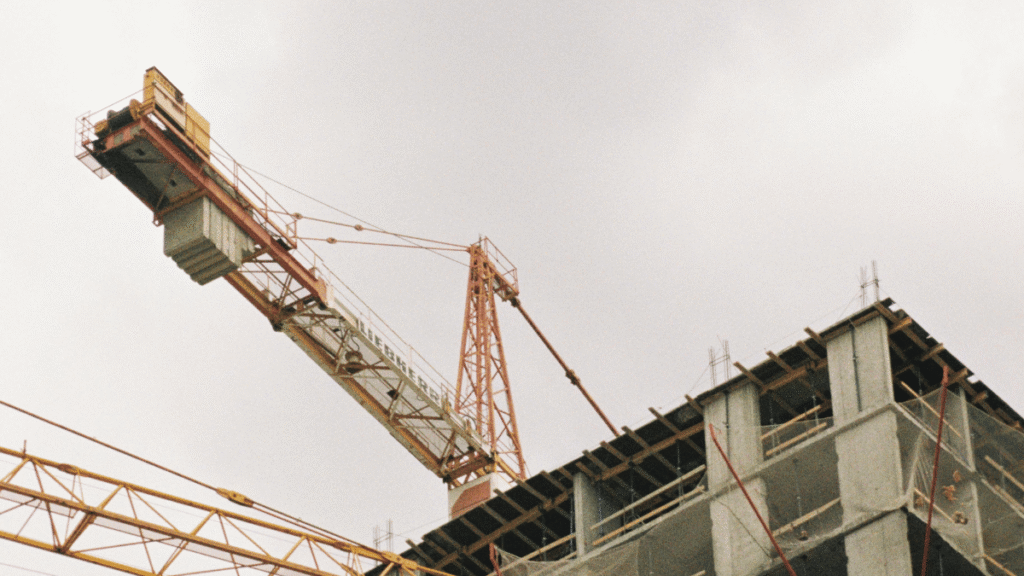
Western Corridor (Gachibowli, Kondapur, Narsingi, Tellapur, Kokapet)
Why Green Townships Thrive Here:
- IT hub proximity attracting environmentally conscious professionals
- Availability of land for low-density, spacious green developments
- Lake proximity (Gandipet, Kokapet Lake) supporting water-centric sustainability
- Emerging infrastructure (metro, ORR) enhancing connectivity
Typical Green Features:
- LEED/IGBC-certified construction
- Rainwater harvesting and lake-view orientations
- Solar-powered common areas and EV charging
- Pedestrian-friendly layouts with cycling tracks
Northwestern Zones (Patancheru, Bachupally)
Sustainability Appeal:
- Lower land costs enabling larger green buffers and landscaping
- Distance from pollution hotspots offering cleaner air
- Growing manufacturing/industrial corridors creating employment base
- Township-scale projects with comprehensive sustainability integration
Green Innovations:
- Organic farming patches within communities
- Comprehensive waste-to-energy systems
- Extensive tree plantation drives (3-5 trees per dwelling unit)
Southern Growth Areas (Shadnagar, Tukkuguda)
Emerging Green Potential:
- Pharma City and aerospace park development attracting skilled workers
- Proximity to Rajiv Gandhi International Airport
- Affordable land enabling premium features at mid-segment pricing
- Government push for planned, sustainable satellite townships
Common Buyer Concerns: Addressing Green Township Skepticism
Q1: Is the 8-15% premium justified or just developer profit-taking?
The premium reflects genuine additional costs, certification fees (₹2-5 lakh), solar installation (₹1-2 lakh post-subsidy), rainwater systems (₹50,000-1 lakh), sustainable materials (10-12% more expensive), and enhanced landscaping. However, as demonstrated, these investments return 4-6x value through savings and appreciation over ownership period.
Q2: How do I verify genuine green features vs. greenwashing?
Red Flags of Greenwashing:
- No third-party certification (IGBC/LEED/GRIHA)
- Vague sustainability claims without specifications
- “Green” limited to marketing materials with no actual systems visible
- No performance guarantees on energy/water savings
Verification Checklist: Confirm IGBC/LEED certification status and rating level Inspect solar panel installations and rainwater infrastructure during site visits Request utility consumption data from existing residents if available Review builder’s sustainability track record across past projects Verify inclusion of green features in sale agreement, not just brochures
Q3: What if solar panels become obsolete or require expensive maintenance?
Technology Longevity: Modern solar panels carry 25-year performance warranties with guaranteed 80-85% efficiency retention. Maintenance is minimal, annual cleaning (₹2,000-3,000) and occasional inverter replacement (₹20,000-30,000 after 8-10 years).
Future-Proofing: Even if panel efficiency improves, existing systems continue generating value. Government incentives (net metering, subsidies) protect early adopters. Additionally, installation infrastructure (wiring, mounting) accommodates panel upgrades if desired.
Q4: Does rainwater harvesting actually work in Hyderabad’s monsoon-dependent rainfall pattern?
Seasonal Effectiveness: Hyderabad receives 800mm annual rainfall concentrated in 4 months (June-September). Properly sized storage tanks (5,000-10,000 liters per household) capture monsoon abundance for 6-9 months of usage in non-potable applications.
Ground Recharge: Even when tanks are full, excess rainwater recharges groundwater via percolation pits, raising water table levels and improving long-term availability for entire community.
Real-World Data: Gated communities with mandatory rainwater harvesting report 30-40% reduction in municipal water dependency and elimination of summer tanker requirements.
Q5: Are green townships only for wealthy buyers or accessible to middle-income families?
Affordability Spectrum: While luxury green villas (₹2-5 crore) exist, mid-segment green apartments (₹60-90 lakh) are increasingly common. Government subsidies (solar), tax benefits (80C deductions for sustainable features), and long-term savings make green homes financially viable for salaried professionals.
EMI Impact: 8-15% premium on ₹80 lakh property (₹6.4-12 lakh) adds ₹4,000-7,500 to monthly EMI (20-year loan at 8.5% interest). However, ₹3,000-8,000 monthly savings from reduced utilities offset this premium, making net cost comparable or lower than conventional properties.
Q6: How liquid are green-certified properties? Will I find buyers easily when selling?
Market Liquidity: Green-certified properties in connected locations (near metro, IT hubs) demonstrate superior liquidity. Environmental awareness among younger buyers (millennials, Gen Z) drives preference for sustainable homes.
Resale Advantage: Documented energy savings, certification credentials, and lower operating costs create compelling resale value propositions. Properties sell 15-25% faster and command 5-10% premiums over similar conventional properties.
Q7: Do green townships compromise on luxury amenities for sustainability?
False Dichotomy: Modern green townships integrate sustainability WITH luxury, clubhouses with solar roofs, infinity pools using recycled water, organic cafes, wellness centers with natural ventilation. Sustainability enhances, rather than replaces, premium lifestyle offerings.
Examples: Luxury green townships feature:
- Spa facilities using solar water heating
- Gourmet restaurants with rooftop organic gardens
- High-tech gyms with energy-generating equipment
- Electric vehicle charging integrated into elegant carports
Q8: What happens to green features if the RWA/maintenance team doesn’t prioritize them post-possession?
Contractual Protection: Sale agreements should specify:
- Mandatory maintenance of solar systems, rainwater harvesting
- Green certification maintenance requirements
- Penalties for RWA non-compliance with sustainability standards
Resident Advocacy: Eco-conscious buyer communities actively participate in RWA governance, ensuring sustainability remains priority. Many green townships attract like-minded residents who collectively enforce environmental commitments.
Looking for a Home That Reflects Your Lifestyle?
Discover thoughtfully designed homes by Kura Homes — where timeless architecture, modern comfort, and sustainable living come together.
Decision Framework: Is Green Township Worth It for YOU?
Choose Green Township If:
Long-Term Ownership: Planning 7+ years residence to realize full savings and appreciation benefits Environmental Values: Sustainability matters beyond financial calculations, lifestyle alignment important Family Health Priority: Children, elderly, or individuals with respiratory sensitivities benefit from cleaner air, green spaces Financial Comfort: Can absorb 8-15% upfront premium without straining budget Future-Focused Investing: Recognize growing demand for sustainable properties and regulatory trends
Reconsider Green Premium If:
❌ Tight Budget: Premium creates EMI strain outweighing utility savings ❌ Short-Term Ownership: Plan to sell within 3-5 years, insufficient time to recover premium through savings ❌ Rental Investment: Tenants may not value green features enough to justify premium (though this is changing) ❌ Peripheral Location: Green township far from workplace/schools negates sustainability benefits through long commutes
Kura Homes: Where Legacy Meets Sustainability
While many developers add superficial green features as marketing tools, Kura Homes integrates sustainability into foundational construction philosophy, a natural extension of nearly five decades of building excellence.
Sustainability Through Quality Construction
1. Timeless Building Principles Align with Green Goals Kura Homes’ three-generation construction legacy emphasizes durability, natural ventilation, and efficient space utilization, core sustainable building principles practiced long before “green” became marketing terminology.
Superior Materials = Long-Term Sustainability: High-quality construction using premium materials extends building lifespan to 75-100 years vs. 50-60 years for average developments. Longer lifespan means reduced demolition waste, embodied energy preservation, and generational value, ultimate sustainability.
2. Strategic Location Reducing Environmental Footprint Kura Homes’ projects prioritize connectivity corridors (ORR exits, metro proximity, IT hub access), reducing daily commute distances by 30-50%. Shorter commutes mean:
- Lower carbon emissions from personal vehicles
- Reduced traffic congestion contribution
- Time savings enabling sustainable lifestyle choices (cycling, walking within neighborhood)
3. Community-Focused Green Spaces Projects incorporate landscaped gardens, tree-lined pathways, and open green buffers exceeding regulatory minimums, creating micro-climates that combat urban heat island effects naturally.
4. Water Management Infrastructure Rainwater harvesting and proper stormwater drainage designed as integral building systems, not afterthought add-ons. Kura Homes’ engineering expertise ensures these systems function optimally across monsoon variations.
Current Kura Homes Projects: Sustainable Living in Action
Constella – Premium residences designed around community living with natural ventilation principles, extensive landscaping, and water conservation systems. Located in well-connected corridor reducing daily commute environmental impact.
NTANYA – Luxury villas at ORR Exit 14, Tukkuguda, offering spacious plots enabling private green spaces, rainwater harvesting, and solar installation flexibility. Strategic location near airport and growth corridors supports sustainable commuting patterns.
Speed Signature Towers – Modern apartments in Nizampet with metro and highway connectivity. Energy-efficient design, water-saving fixtures, and green common areas balance urban convenience with environmental responsibility.
Sanarelli Apartments – Bowrampet project emphasizing natural light, cross-ventilation, and community gardens. Mid-segment pricing makes sustainable living accessible to working professionals.
Speed Splendor City – Premium plotted development in Sultanpur enabling homeowners to implement personalized sustainability solutions (solar, rainwater harvesting, organic gardens) while benefiting from community-level green infrastructure.
Speed Green City – Open plots in Sangareddy’s growth corridor. Lower density, ample space for greenery, and distance from pollution hotspots create naturally sustainable living environment. Ideal for families seeking eco-conscious lifestyle without urban density.
Final Verdict: Green Premium Worth It in 2025 Hyderabad?
YES, for majority of long-term homebuyers prioritizing financial returns + lifestyle quality.
Financial Mathematics:
- 8-15% premium (₹6-12 lakh on ₹80 lakh property)
- ₹21-32 lakh savings over 25 years
- 15-20% faster appreciation
- 4-6x ROI on sustainability investment
Lifestyle Benefits:
- Healthier living environment (cleaner air, green spaces)
- Lower monthly operating costs (utilities reduced 30-50%)
- Community of like-minded residents
- Future-proofed against regulatory mandates
The Caveat: Premium justification depends on genuine sustainability features (IGBC/LEED certification, functional solar/rainwater systems, quality construction) rather than greenwashing. Due diligence separating authentic green townships from marketing gimmicks is essential.
Strategic Recommendation: Prioritize green-certified projects by established developers in connected locations. Verify systems during site visits. Review past project performance. Calculate actual savings based on local utility rates and system specifications.
Checklist: Evaluating Green Township Investment
Before committing to green premium, verify:
Certification & Credibility
- IGBC/LEED/GRIHA certification (confirmed, not “applied” or “planning”)
- Builder track record in delivering certified green projects
- Third-party energy/water performance audits
Functional Systems Verification
- Solar panel installation with performance guarantees
- Rainwater harvesting storage capacity adequate for community size
- Grey water recycling plant operational and maintained
- Waste management systems (composting, recycling) functioning
Financial Transparency
- Detailed cost breakdown showing premium allocation
- Projected utility savings with assumptions documented
- Maintenance costs for green systems disclosed
- Government subsidy eligibility confirmed
Location Sustainability
- Connectivity reducing commute times (metro, highways, workplaces)
- Proximity to essential services (schools, hospitals, shopping)
- Green belts, lakes, parks enhancing environmental quality
- Future infrastructure development supporting appreciation
Legal & Contractual Protection
- Green features specified in sale agreement, not just brochures
- RWA bylaws mandating sustainability system maintenance
- Performance guarantees for energy/water savings
- Builder warranty covering green infrastructure
Explore Sustainability Through Construction Excellence with Kura Homes
Kura Homes delivers residences where environmental responsibility flows naturally from nearly 50 years of building with integrity, quality, and forward-thinking design.
Why Kura Homes Embodies Sustainable Living:
- 49 years of construction excellence ensuring durability (ultimate sustainability)
- Strategic locations reducing environmental footprint through connectivity
- Quality materials extending building lifespan to 75-100 years
- Community-focused green spaces combating urban heat island effects
- Water management infrastructure as core engineering principle
- Timely delivery preventing construction waste and resource inefficiency
- Three-generation legacy thinking beyond short-term trends
Current Projects Offering Sustainable Living:
- Constella – Community-focused design with green integration
- NTANYA – ORR corridor villas enabling personalized sustainability
- Speed Signature Towers – Metro-connected energy-efficient apartments
- Sanarelli Apartments – Accessible sustainability for working families
- Speed Splendor City – Plotted community supporting green homebuilding
- Speed Green City – Natural sustainability through spacious, low-density living
Ready to Invest in Your Sustainable Future?
📍 Visit Kura Homes
Plot No. 19 & 20, Wahhab Nagar, Sikh Village,
Secunderabad, Telangana 500009
Discover homes where sustainability isn’t a premium feature, it’s a foundational principle built into every project by a family that has served Hyderabad for nearly five decades.
Built by a family that understands long-term value since 1976. Trusted by thousands. Designed for generations.
Disclaimer: Green feature costs, savings projections, and appreciation estimates based on 2025 market data for Hyderabad. Actual results vary based on location, system specifications, usage patterns, and utility rates. Conduct independent verification before investment decisions. Solar subsidy availability subject to government scheme continuation.